When it comes to solar panel installation, most homeowners focus on the panels themselves. But here's the thing: the inverter is just as important. This component converts the DC electricity your panels generate into AC electricity you can actually use in your home. Two main technologies dominate the Australian market right now, micro-inverters and string inverters, and each has distinct advantages worth understanding.
What's the Difference Between These Two Technologies?
A string inverter is a single, centralized unit that converts electricity from all your solar panels at once. Think of it like collecting water from multiple pipes into one tank before using it. Multiple panels are "strung" together, hence the name, and all that power runs through the one inverter.
Micro-inverters are smaller units attached to individual panels or small groups of panels. Each one does its own conversion from DC to AC. It's more like having a separate tap for each panel's output.
The team at Solahart Wollongong can explain how both systems work within your specific home setup, taking into account your roof layout and energy needs.
How Performance Differs in Australian Conditions
Australia's climate presents unique challenges for solar systems. Our intense sun, variable cloud cover, and temperature fluctuations all affect how efficiently panels work.
String inverters perform well in consistent conditions. If your roof gets even, unshaded sunlight throughout the day, a string inverter handles that well and costs less upfront. However, if even one panel in your string gets shaded by a tree, chimney, or neighboring building, the entire string's output can drop. This is particularly relevant for Australian homes where afternoon shade from trees is common.
Micro-inverters handle partial shading better. If one panel is shaded while others aren't, only that one panel's output is affected. The others continue producing at full capacity. For homes with complex roof layouts or persistent shading issues, this becomes a real advantage.
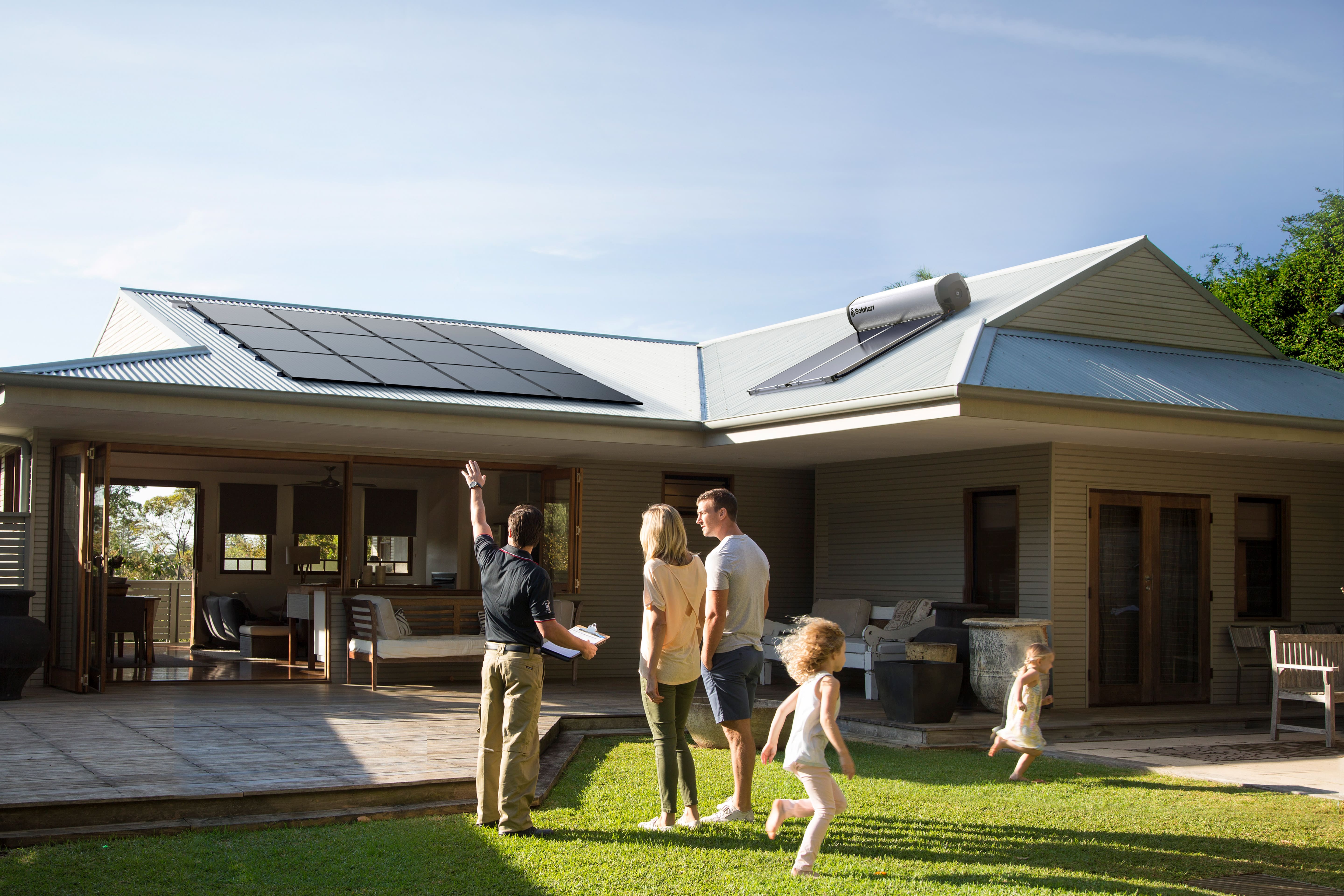
At Solahart Wollongong, our solar specialists assess your property for shading patterns throughout the day and across seasons to recommend the best fit.
Reliability and Maintenance Considerations
String inverters have been around longer. They're proven technology with a solid track record. Because there's only one unit, maintenance is straightforward if something goes wrong. However, if that unit fails, your entire system stops producing electricity until it's repaired or replaced.
Micro-inverters offer redundancy. If one fails, only that panel's output is affected. The rest of your system keeps working. This distributed approach means fewer catastrophic failures, though you have more individual units to potentially maintain.
In 2026, both technologies have significantly improved reliability compared to earlier years. Modern inverters, whether string or micro, typically carry extensive warranties. The choice often comes down to whether you prefer one central point of potential failure or distributed units.
Cost Analysis for Australian Homeowners
String inverters remain the more economical choice upfront. They cost less to purchase and install, which appeals to homeowners watching their initial investment. Over time, the lower entry cost can influence the overall return on your solar investment.
Micro-inverters carry higher upfront costs. You're buying multiple units instead of one, plus installation is more labor-intensive. However, the improved performance in shaded conditions might mean greater energy production over the system's lifetime, potentially offsetting that extra cost for some households.
The best approach is getting quotes from your local installer. Contact Solahart Wollongong today for a free assessment of your home's solar potential and pricing for both options.
Which System Suits Your Home?
Consider string inverters if your roof is large, unshaded, and receives consistent sunlight. This setup is simpler and more affordable, making it attractive for straightforward installations.
Consider micro-inverters if your roof has partial shading, a complex design, or if future additions like roof extensions might affect your panels. You also have the advantage of easier monitoring, as each panel's output is tracked separately.
Your local solar installer can conduct a site assessment to determine which technology aligns with your home's specific situation. Both systems have earned their place in the Australian solar market, and either can be a solid long-term investment.
Making Your Decision
There's no universal "better" choice between micro-inverters and string inverters. The right system depends on your roof's characteristics, budget, and energy goals. What works perfectly for your neighbor might not be ideal for your home.
The good news is that both technologies are reliable, efficient, and widely available across Australia in 2026. Your task is matching the technology to your circumstances.
Ready to find out which inverter technology suits your home? The team at Solahart Wollongong offers free quotes and expert advice tailored to your property. Get in touch today to discuss your solar options and take the next step toward cleaner, more affordable home energy.
Energy savings vary depending on household usage and location.